Route to the Top Mexico 2026: From alignment to optionality
For organizations in Mexico, alignment matters. When leaders, strategy, and succession planning are working in concert, organizations are better positioned to make effective decisions, assess leadership quality, and sustain performance. But alignment solves only part of the challenge. According to our recent survey of 1,033 CEOs and directors globally, including 35 in Mexico, 97% of leaders in Mexico—including those at aligned organizations—expect their strategy and operating model to change in the next two to three years. Organizations that are aligned will need to work continuously to maintain that alignment as their business needs evolve.
That creates a fundamental challenge for succession planning. Organizations must prepare leaders for strategic environments they cannot fully anticipate, while ensuring they are looking broadly enough to identify people with the capabilities those different futures may demand. Relying on familiar leadership profiles or preparing a single successor against today’s strategy risks narrowing the organization’s options precisely when flexibility matters most.
Instead, the best course of action may be to shift the objective of succession planning from certainty to optionality. By continuously aligning leadership development with a range of potential strategic scenarios, organizations can build a deeper and more varied bench of future leaders and preserve their ability to choose the right leadership for whatever comes next.
Mexican organizations are more aligned than their competitors in other markets
In our previous work, board members and CEOs consistently said succession planning would improve with more alignment between business strategy and succession planning strategy. This year, we dove deeper into this topic by asking about the following three aspects:
Alignment among leaders: The extent to which board members and the CEO share a common understanding of the organization’s strategic priorities and the leadership capabilities needed for those priorities.
Alignment between strategy and leadership pipeline management: The extent to which succession planning and leadership development are built around an organization’s strategic roadmap.
Alignment among executive management processes: The extent to which performance management and incentive structures reinforce strategic priorities.
After assigning an aggregate “alignment score” based on responses, we found that Mexican companies are more aligned than their peers in other markets: 74% are moderately or highly aligned. Comparatively, in the United States, for example, only about half of organizations are aligned to the same degree.
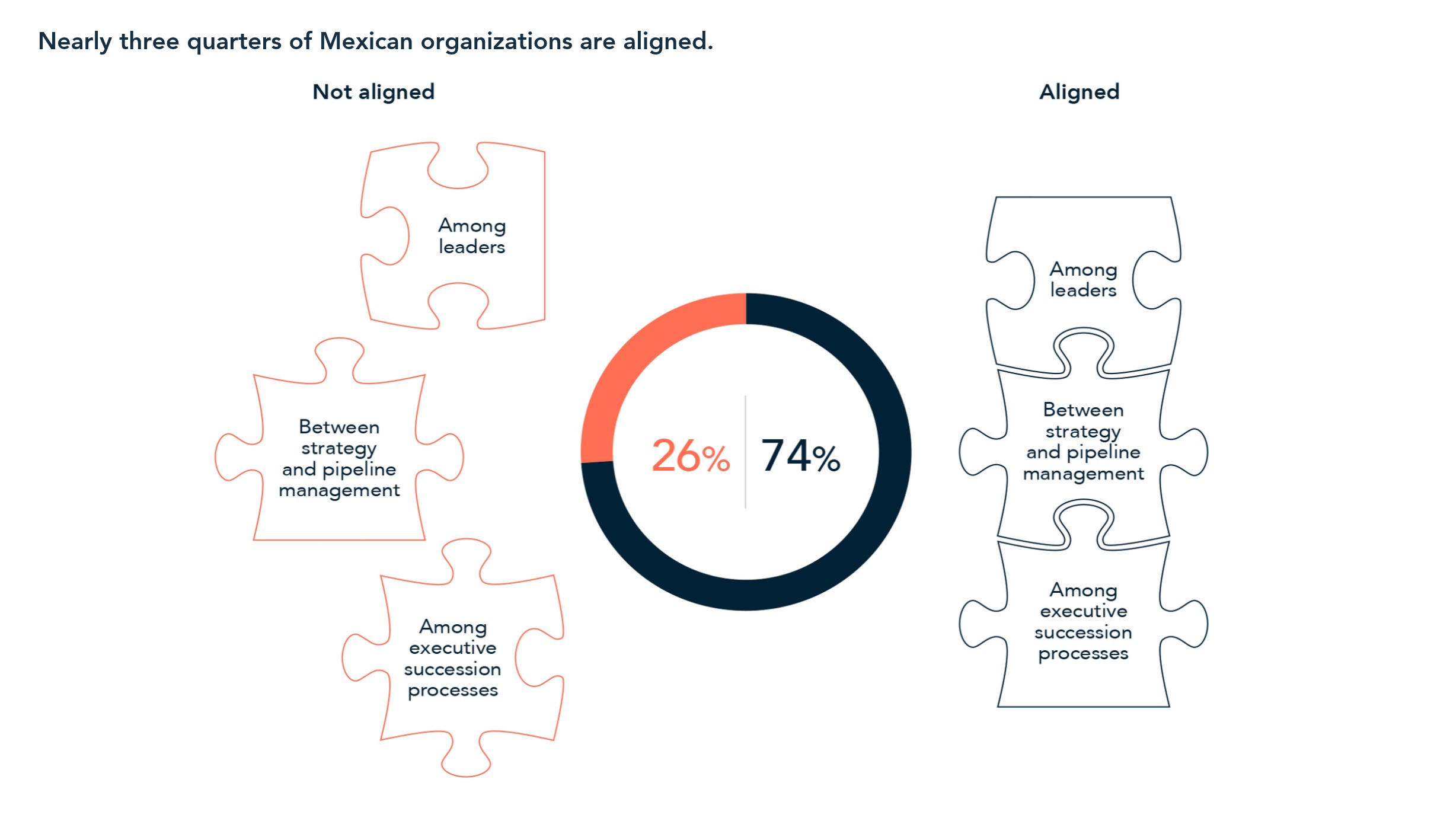
Alignment is particularly strong in areas related to relationships, but it is weaker at the intersection of leadership and strategy. This makes it more difficult to ensure that leadership capabilities evolve alongside changing strategic priorities. In fact, 37% of CEOs and directors report a gap between the capabilities their organizations believe will be most important over the next two to three years and the strengths of their current CEO.
Stronger performance now and stronger planning for the future
When organizations achieve alignment at the enterprise level, they are more likely to report measurably better outcomes. Aligned organizations are more likely to point to effective decision making, rigorous assessment of leadership quality, and adoption of AI at the right pace—all capabilities that can help support organizational performance.
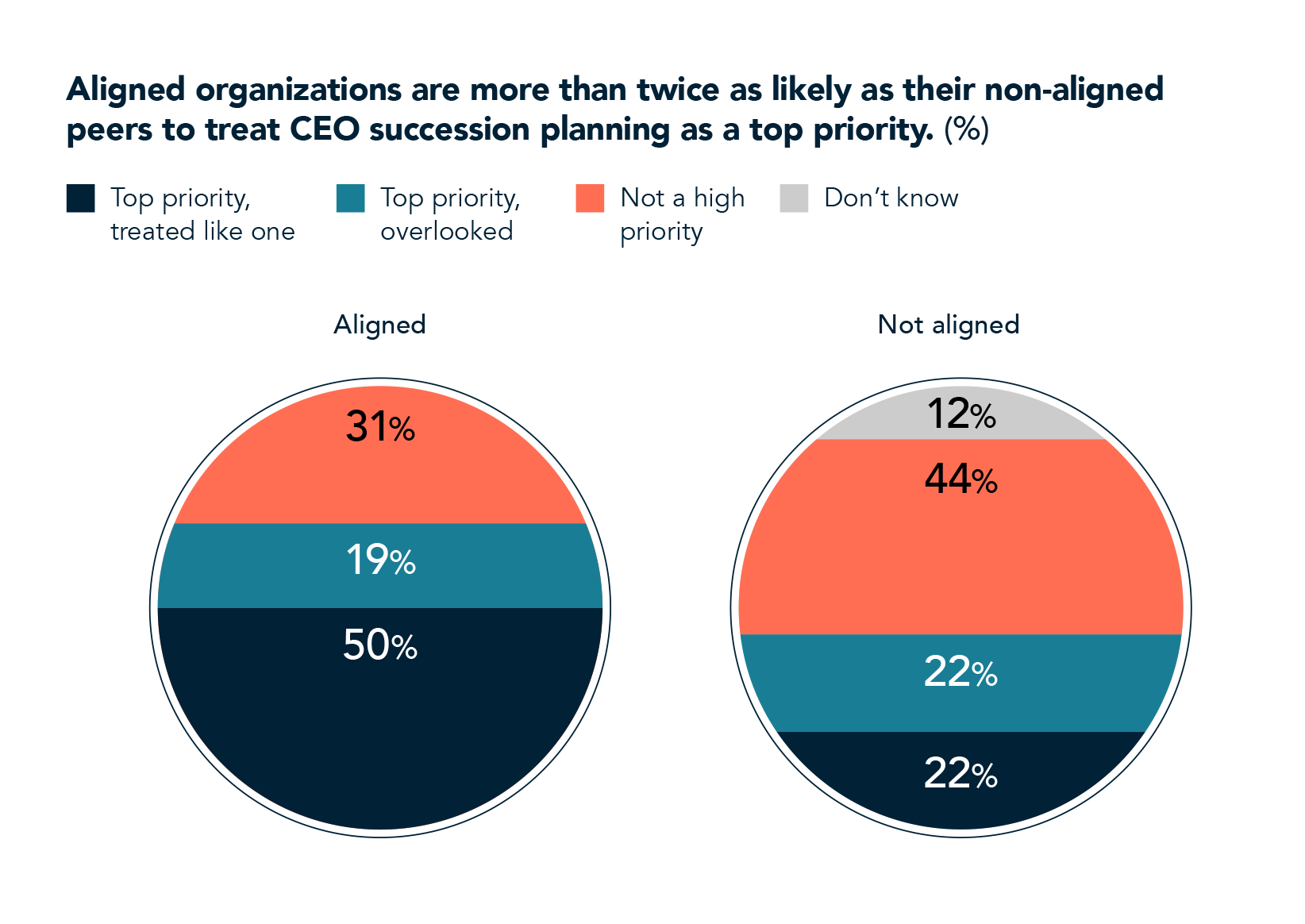
They also invest more deliberately in sustaining that performance through succession planning. Half of aligned organizations treat CEO succession planning as a top priority, compared with just 22% of non-aligned organizations. They are more likely to take concrete steps to strengthen their approach too. For example, 42% of aligned organizations report that they regularly benchmark their planning practices against peers. Zero companies that are not aligned said the same.
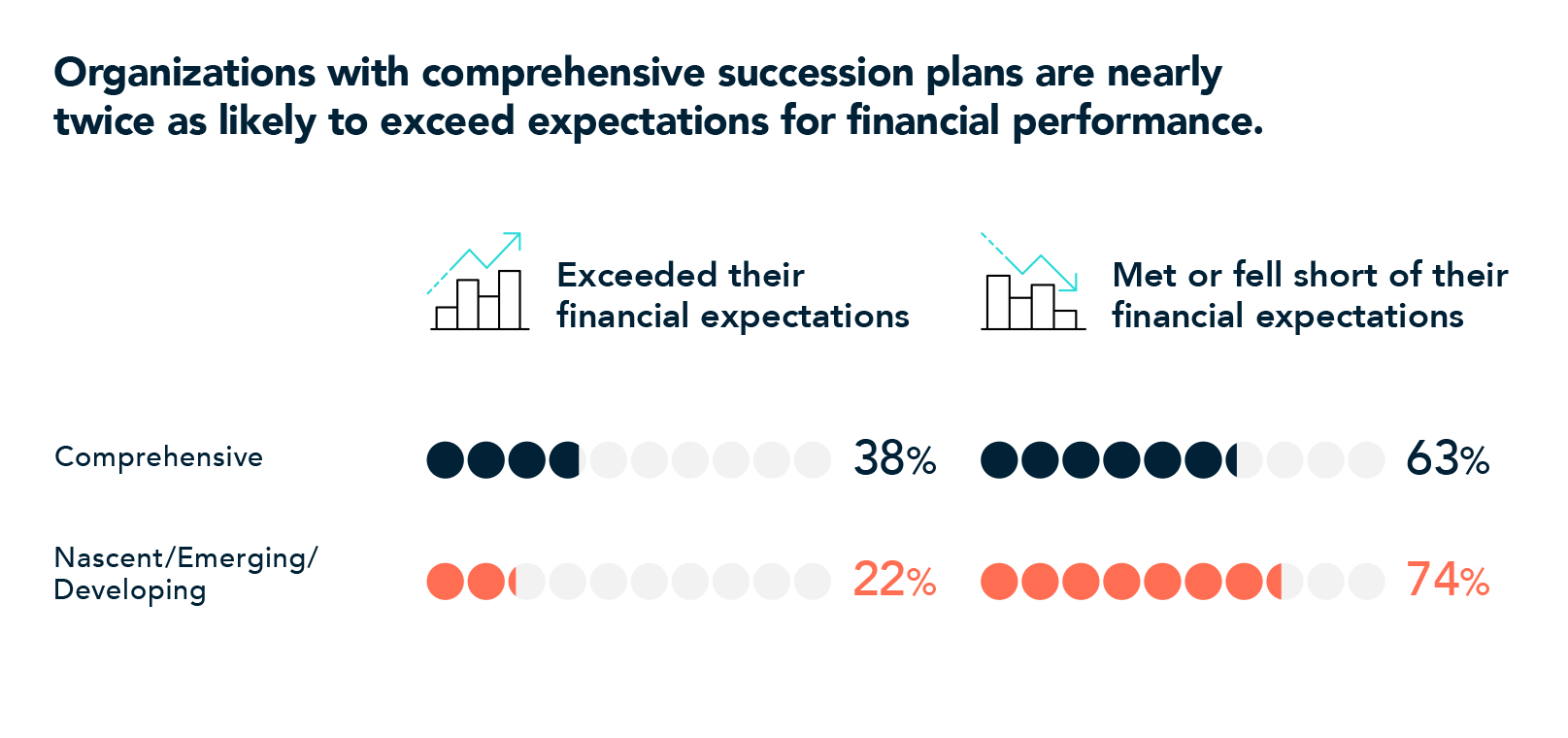
This focus translates into more robust preparation for leadership transitions. Among aligned organizations, 27% have a comprehensive CEO succession plan, including practices such as actively addressing poor performance and ensuring access to external expertise when needed, compared with just 11% of non-aligned organizations. And the relationship with performance is notable: 38% of organizations with a comprehensive succession plan exceeded the financial performance expectations they set at the beginning of the year, compared with 22% of organizations without a comprehensive plan. Together, these findings suggest that enterprise alignment and disciplined succession planning can help organizations build the leadership readiness needed to perform today while preparing for what comes next.
Alignment is a strong foundation, but organizations also need leadership optionality
Enterprise alignment is an important starting point, but it’s not enough on its own. While alignment can support performance today, it’s less likely to eliminate uncertainty about tomorrow. Nearly every CEO and director in Mexico expects changes to their organization’s strategy and operating model over the next two to three years. And even among aligned organizations, 92% are concerned they may be overlooking potential future leaders within their organization.
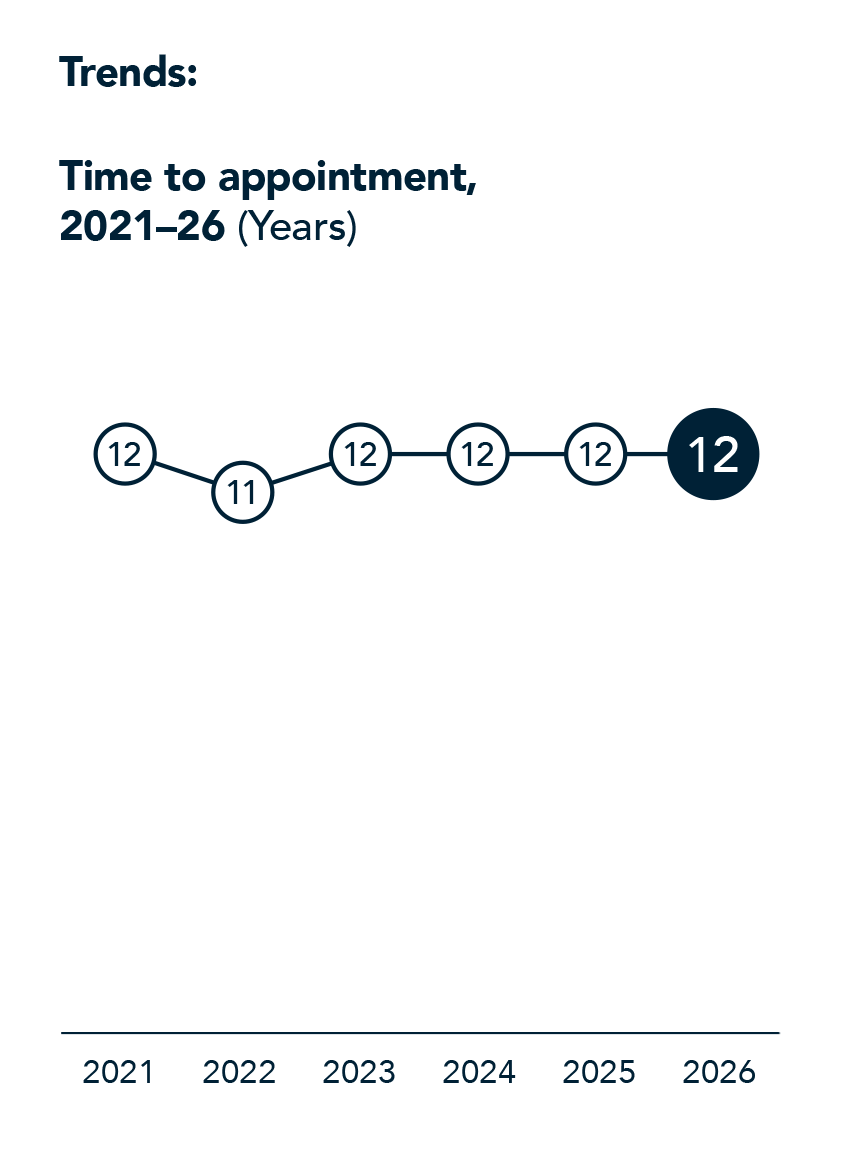
That concern is particularly important given how little the profile of CEOs in Mexico has changed. Among sitting CEOs at BMV companies as of January 5, 2026, the average time to appointment, balance of internal and external appointments, average age, and proportion with previous CEO experience have remained largely unchanged since 2022. None are women, while just 11% have cross-sector experience—a proportion unchanged since 2024 and down from roughly 20% in each of the previous three years. If organizations continue to look for future CEOs in the same places and prioritize the same backgrounds, they risk overlooking leaders whose capabilities may be better suited to a changing strategic environment.
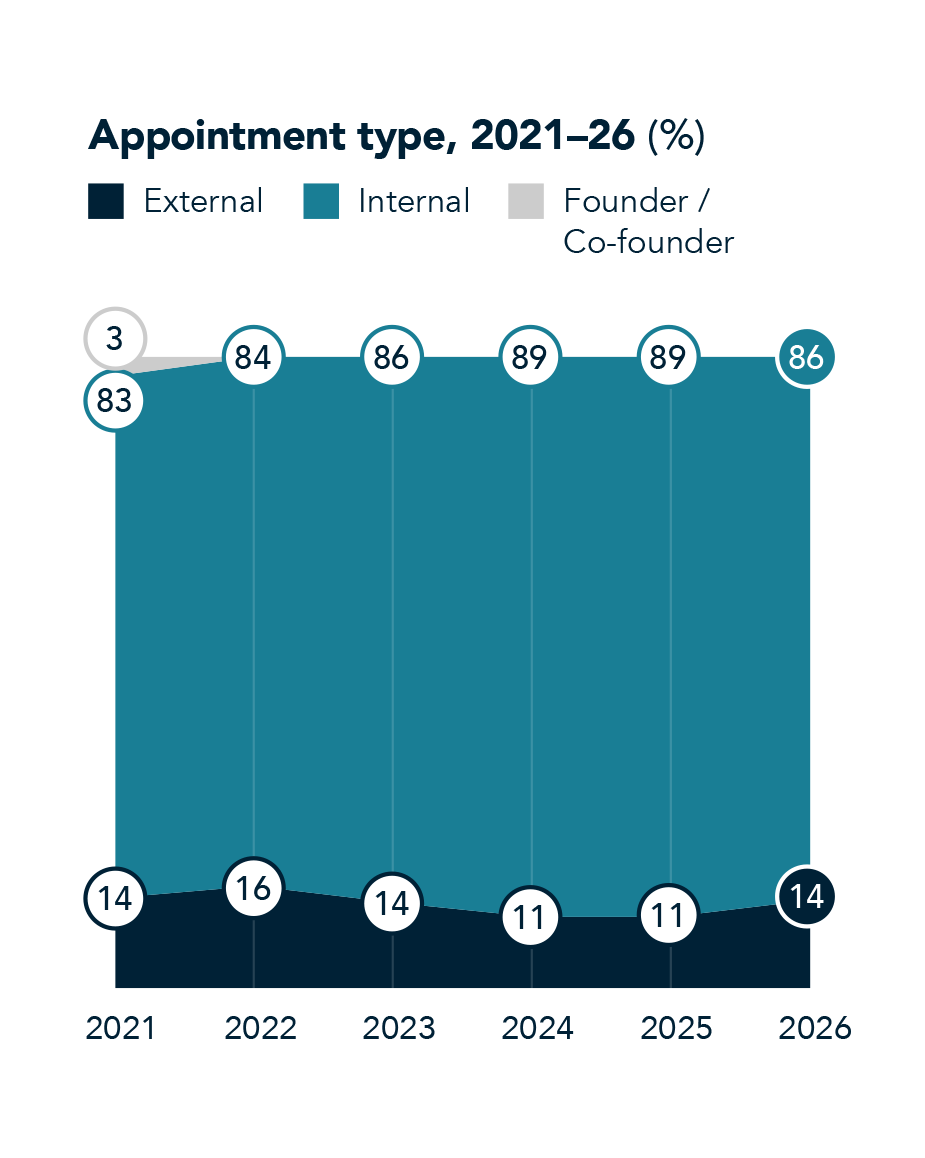
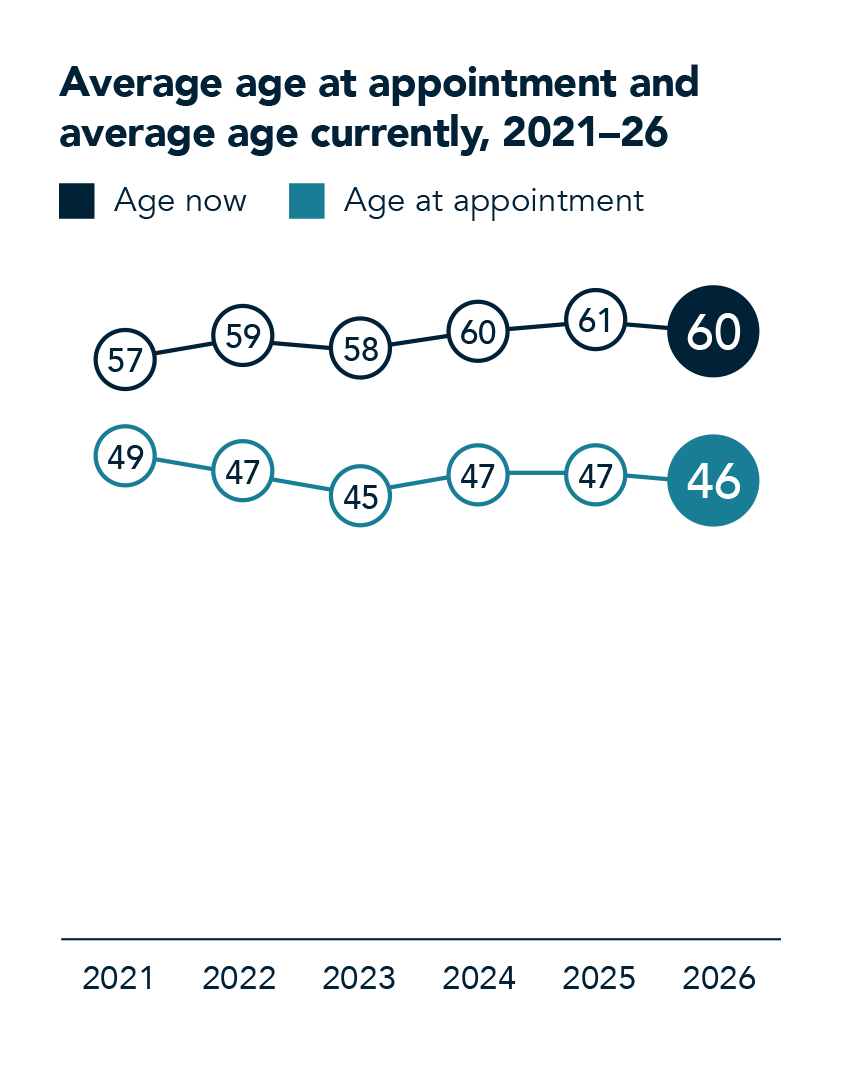
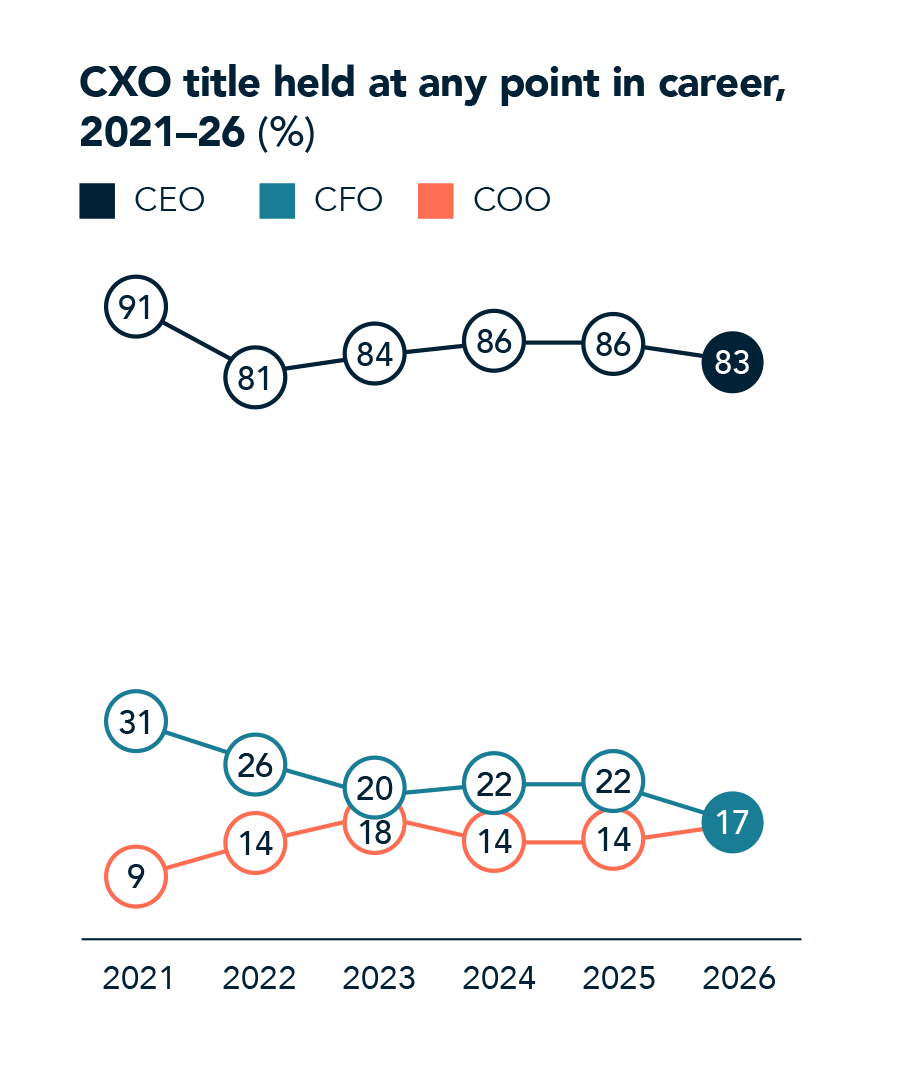
The challenge, then, is no longer simply identifying the next CEO. It is preserving the flexibility to appoint the leader best suited to whatever strategic environment ultimately emerges. Different scenarios may demand different leadership profiles, making optionality increasingly important. Developing multiple potential successors gives organizations multiple leadership pathways they can pursue as external conditions and strategic priorities evolve.
Succession planning as an ongoing effort
Building that optionality requires succession planning to become a more continuous process. A more uncertain environment requires more regular evaluation of leadership readiness. As organizations consider which leadership profiles are best suited to a range of possible strategic scenarios, succession planning becomes less about evaluating any one individual and more about continuously aligning leadership capabilities with evolving business needs.
Some leaders may worry that ongoing succession discussions could create market disruption or fuel speculation about current executives. But normalizing succession planning as an ongoing enterprise process can also help reduce the stigma surrounding it. When organizations routinely assess the capabilities they may need and develop multiple leaders for those possibilities, succession planning is less likely to be interpreted as a judgment about a particular executive. Instead, it becomes a routine part of ensuring the organization is prepared for whatever leadership demands may emerge.
For Mexican organizations, the opportunity is to build on their relative strength in alignment by creating greater optionality. That means not only continually reassessing leadership needs, but deliberately broadening the profiles, experiences, and strategic scenarios considered in succession planning. Strong alignment can give organizations the shared direction to do this with greater confidence—accelerating renewal where needed without sacrificing continuity. In an uncertain environment, the goal is not to align around a single view of who should lead next, but to create a wider range of credible leadership options that can meet the different futures the organization may face.