Board Monitor Mexico 2026 | Turning alignment into advantage
Mexican boards expect significant change, but many still face gaps between the capabilities they have today and those they will need tomorrow. Building on Mexico’s relative strength in leadership alignment, boards have an opportunity to broaden their options and turn renewal into a source of advantage.
November 10, 2026
15m to read
Mexican company leaders recognize their organizations are entering a period of intense and sustained change, with nearly every CEO and director expecting their strategy and operating model to shift over the next two to three years. Yet many organizations have not yet updated their capabilities at the same pace, leaving their boards unequipped to manage the shifts ahead.
Last year, our research showed that Mexican boards had built strong foundations for continuous renewal.1 This year’s findings suggest the next opportunity is turning that foundation into greater foresight and succession discipline. Much of the anticipated volatility in Mexico is tied to how quickly AI is reshaping the capabilities organizations need. In 2025, 60% of CEOs and directors in Mexico considered digital or AI expertise to be one of the most important capabilities for potential directors.
However, the challenge isn’t simply identifying which capabilities will matter next; it is ensuring that board composition, leadership pipelines, and succession decisions evolve alongside strategy. Our research suggests Mexican companies have an important advantage in that they are relatively adept at aligning leaders and management processes around their priorities. The challenge now is to use that alignment as a foundation for more deliberate renewal, broadening the profiles and experiences considered for board roles and building greater optionality as future needs continue to evolve.

According to our recent survey of 1,033 CEOs and directors globally, 35 of whom were in Mexico, 97% of Mexican leaders expect their strategy and operating model to change over the next two to three years, with 45% expecting significant or near-complete change.
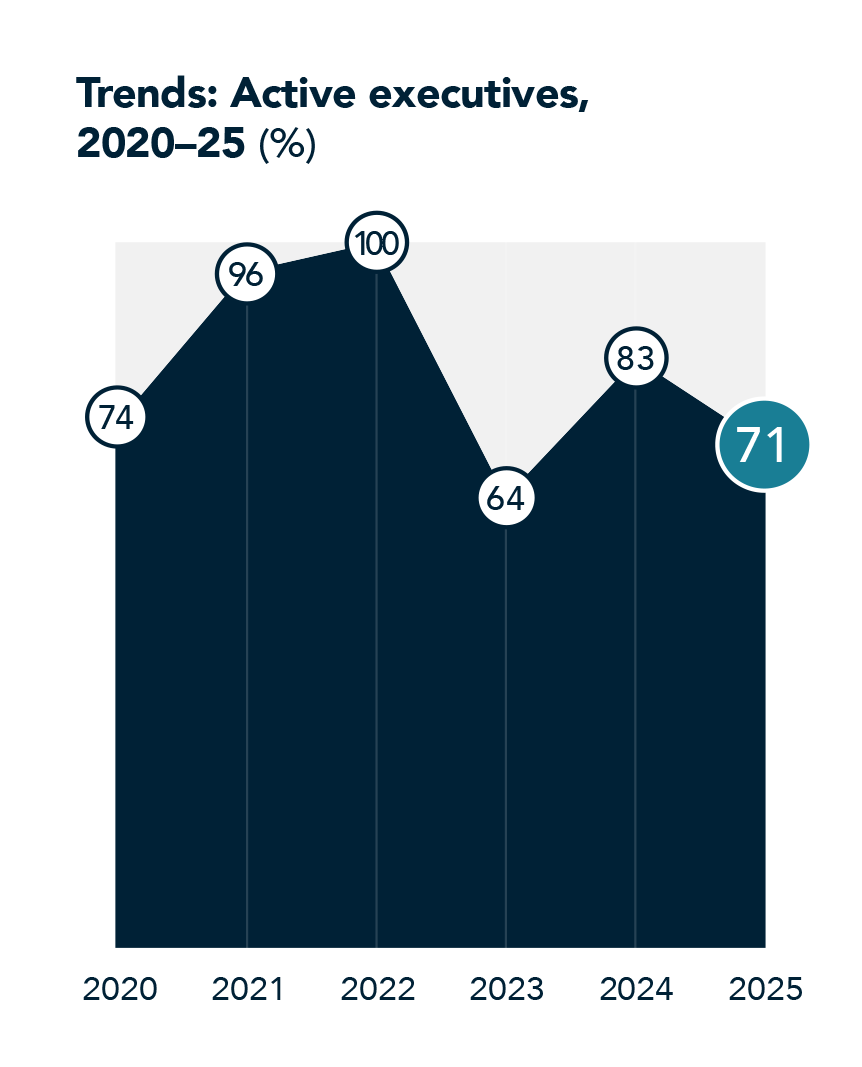
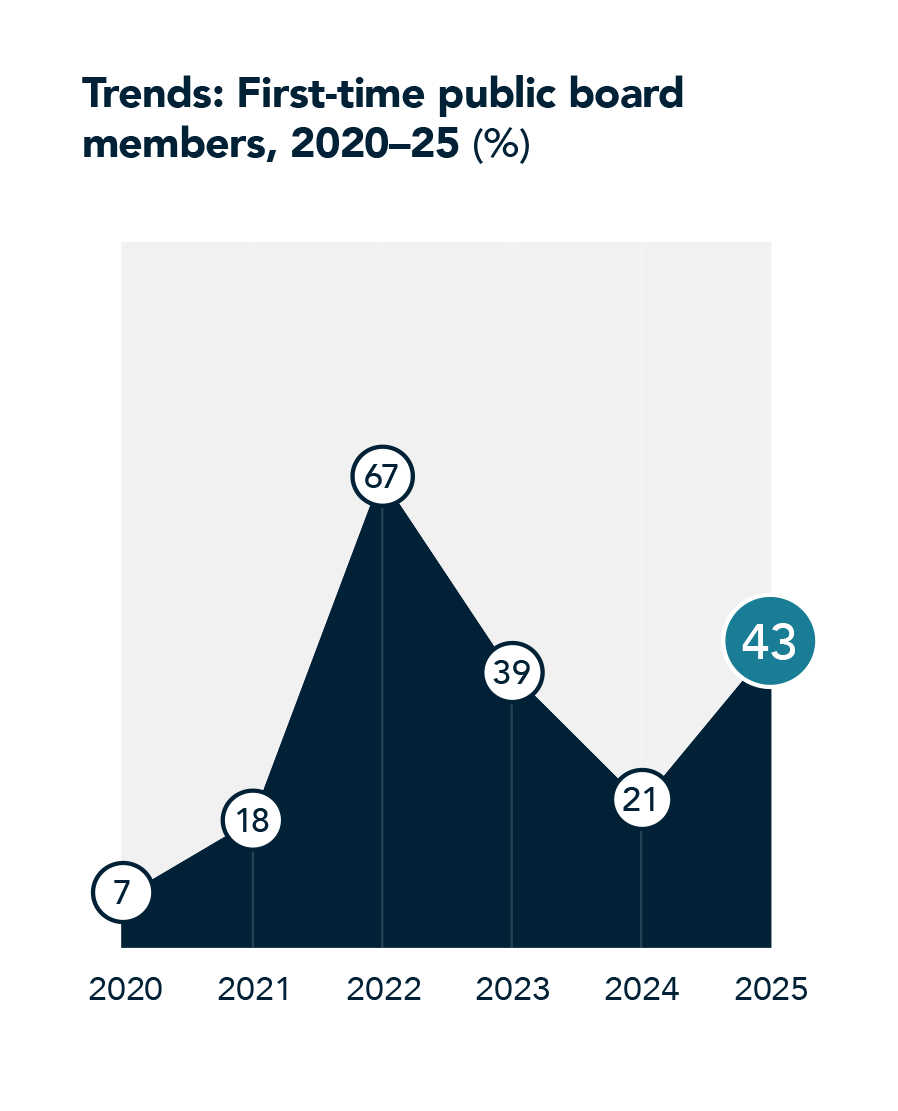
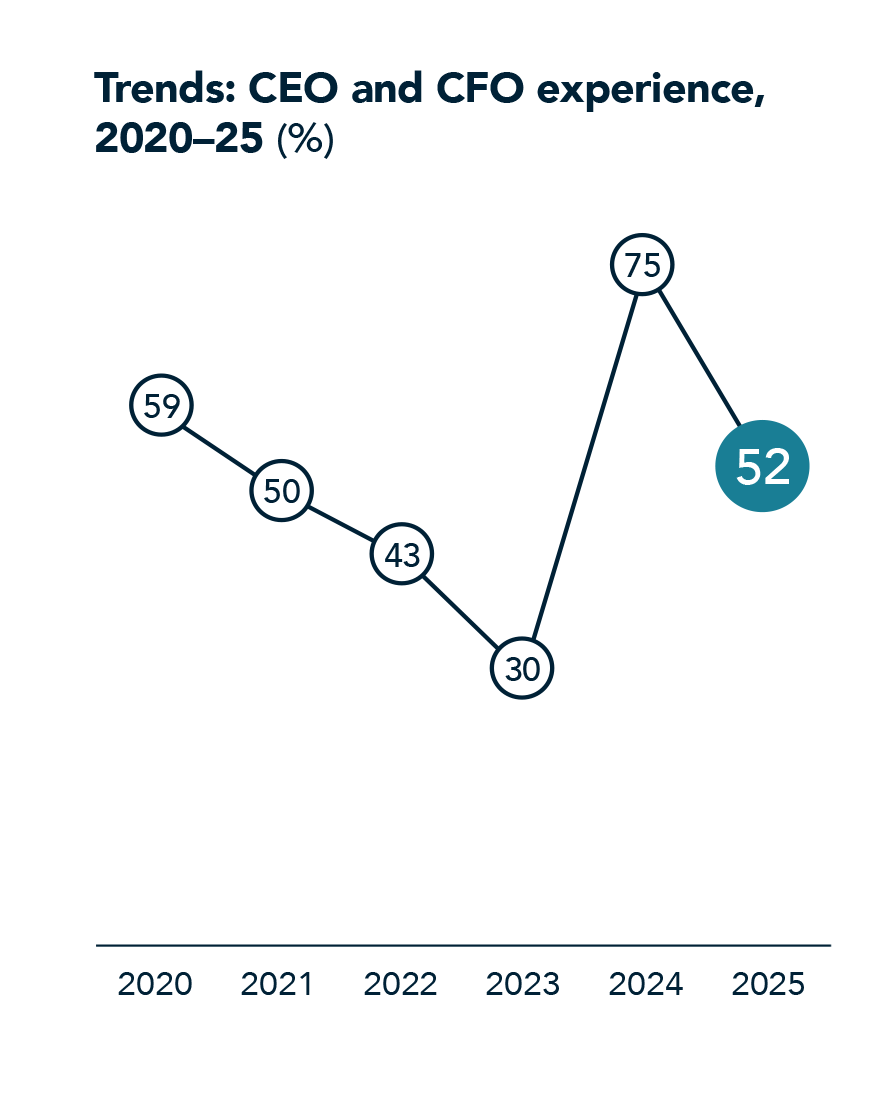
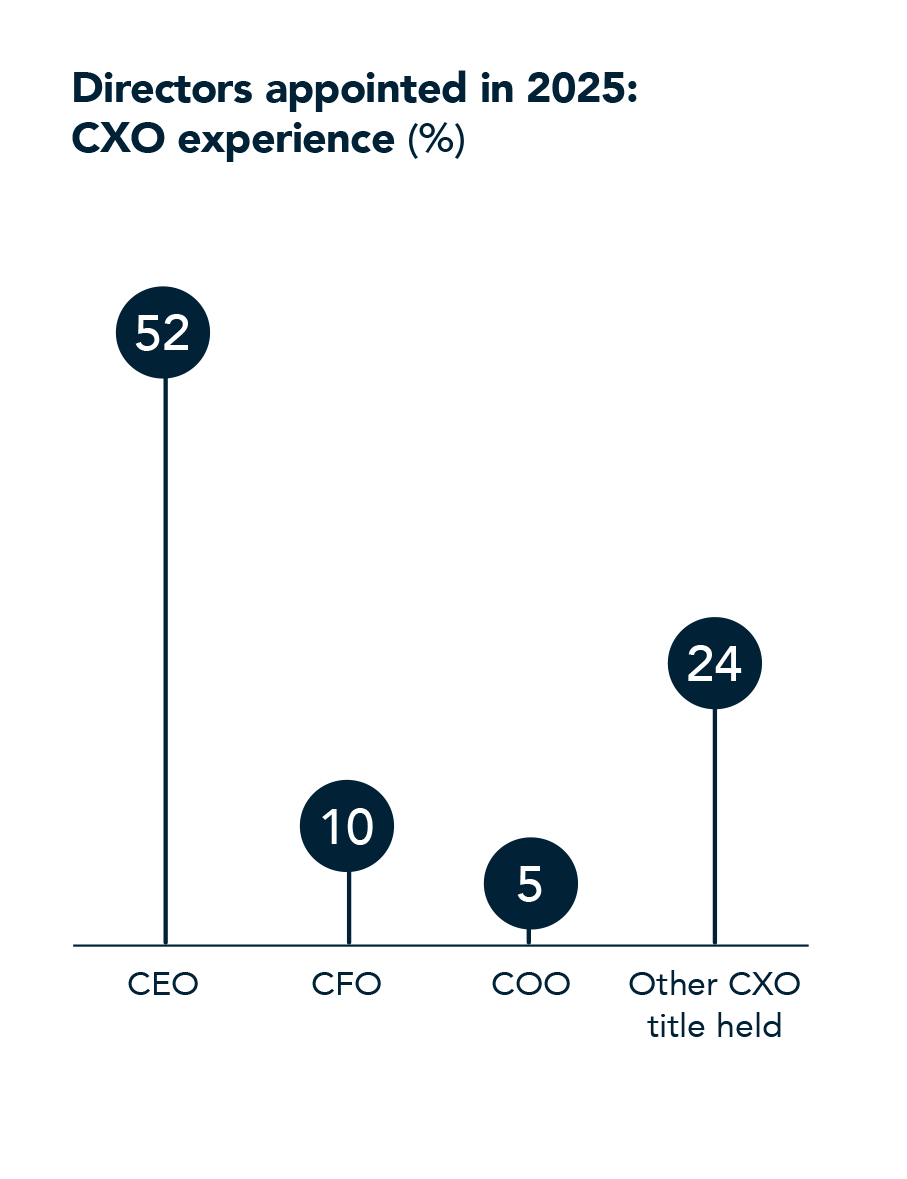
The profile of directors is also transforming. Just 71% of new directors are active board members, down from 83% in 2024, and 43% are first-time public board members, up from 21% in 2024. Meanwhile, only 52% bring previous CEO experience, down sharply from 75% the year before. Of all directors appointed in 2025, only 10% have prior CFO experience and 5% have prior COO experience.
These shifts aren’t inherently problematic; a broader range of profiles can bring valuable new perspectives to the board. But as traditional board and C-suite experience becomes less prevalent, having a clear view of the capabilities that boards will need is even more important.
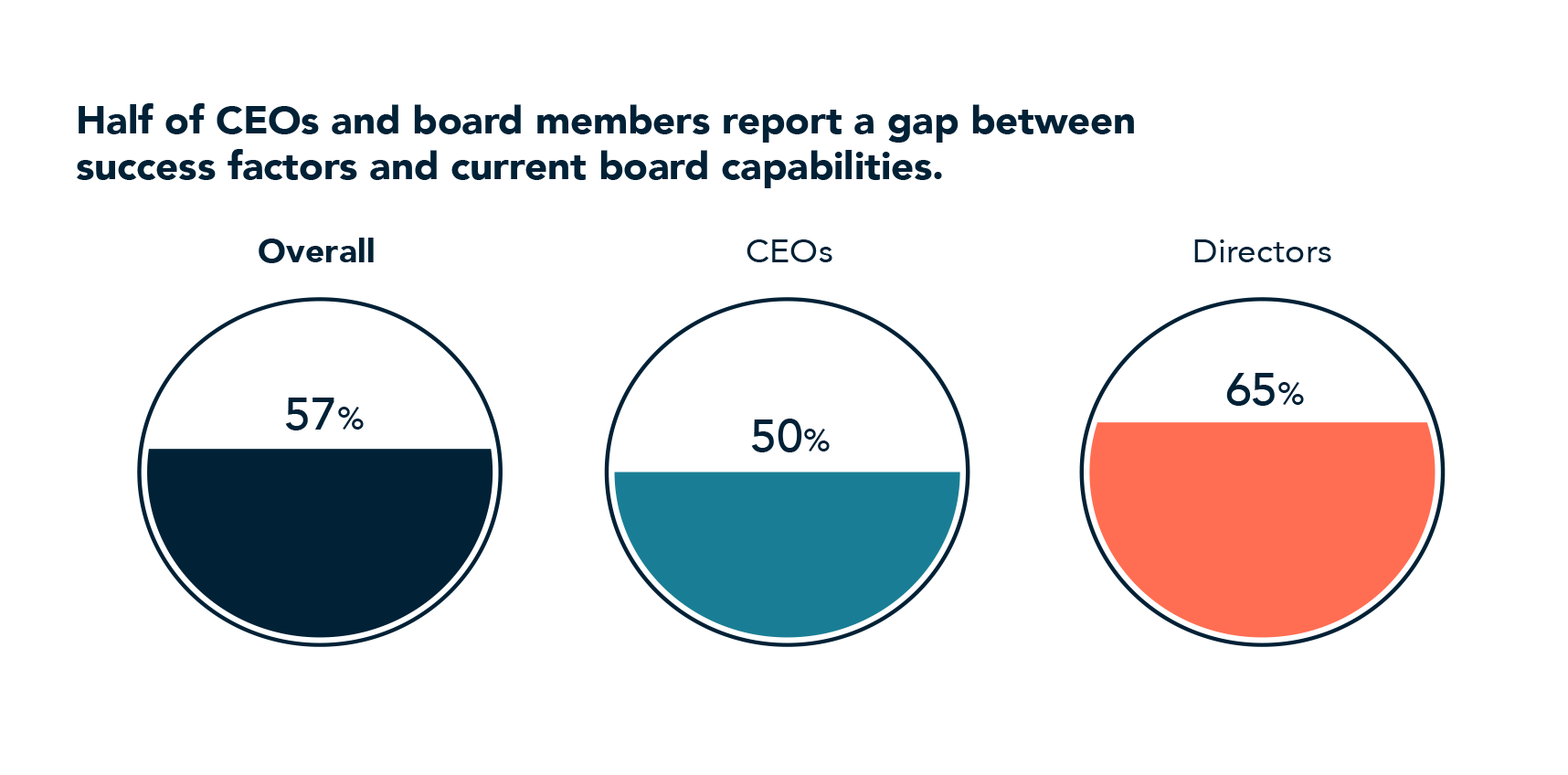
The gap between the expected levels of change and current capabilities shows up in how CEOs and directors assess their boards. Fifty-seven percent report a gap between the success factors their company will need for future success and their current board’s strengths. And while Mexican boards excel at relationship building, which is important for the day-to-day activities of boards, far fewer demonstrate the foresight and renewal needed to stay effective in a complex and fast-changing world.
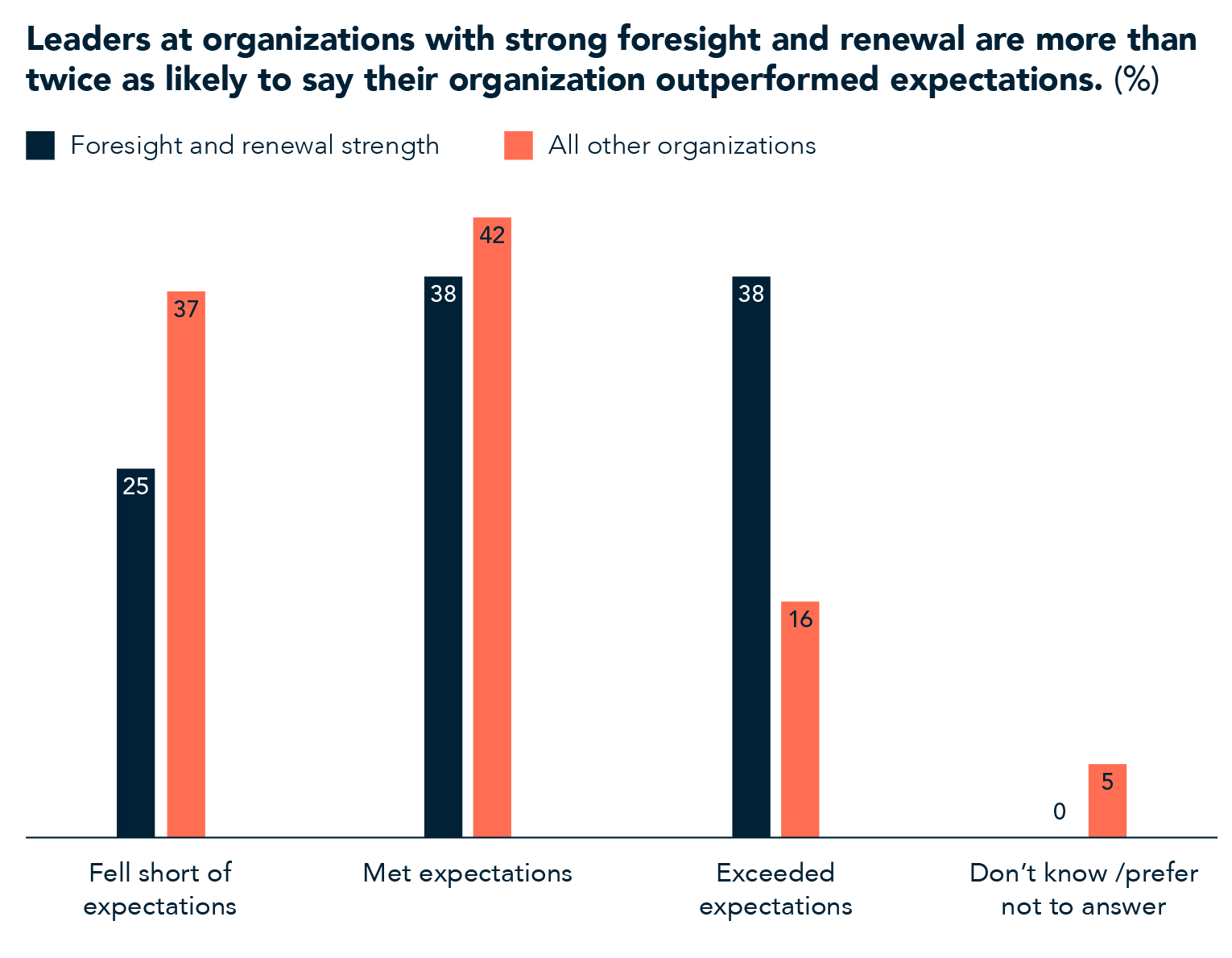
In fact, CEOs and directors in Mexico are substantially more likely to report board strengths related to relationships (74%) than to foresight and renewal (46%). But boards that are strong in foresight and renewal often see the financial upsides of that strength, with 38% reporting they exceeded financial expectations from the beginning of the year, compared to just 16% at other companies.
Mapping succession planning to strategy
In our previous research, board members and CEOs have consistently said succession planning would improve with greater alignment between business strategy and succession planning strategies.2 This year, we dove deeper into this topic by considering three aspects:
- Alignment among leaders: the extent to which board members and the CEO share a common understanding of the organization’s strategic priorities and the leadership capabilities needed for those priorities.
- Alignment between strategy and leadership pipeline management: the extent to which succession planning and leadership development are built around an organization’s strategic roadmap.
- Alignment among executive management processes: the extent to which performance management and incentive structures reinforce strategic priorities.
For example, if a board identifies a need for AI expertise, the question is not only whether the leadership team agrees it is a strategic priority, but whether that priority is reflected in the management processes and systems that shape both current and potential future leaders throughout the organization.
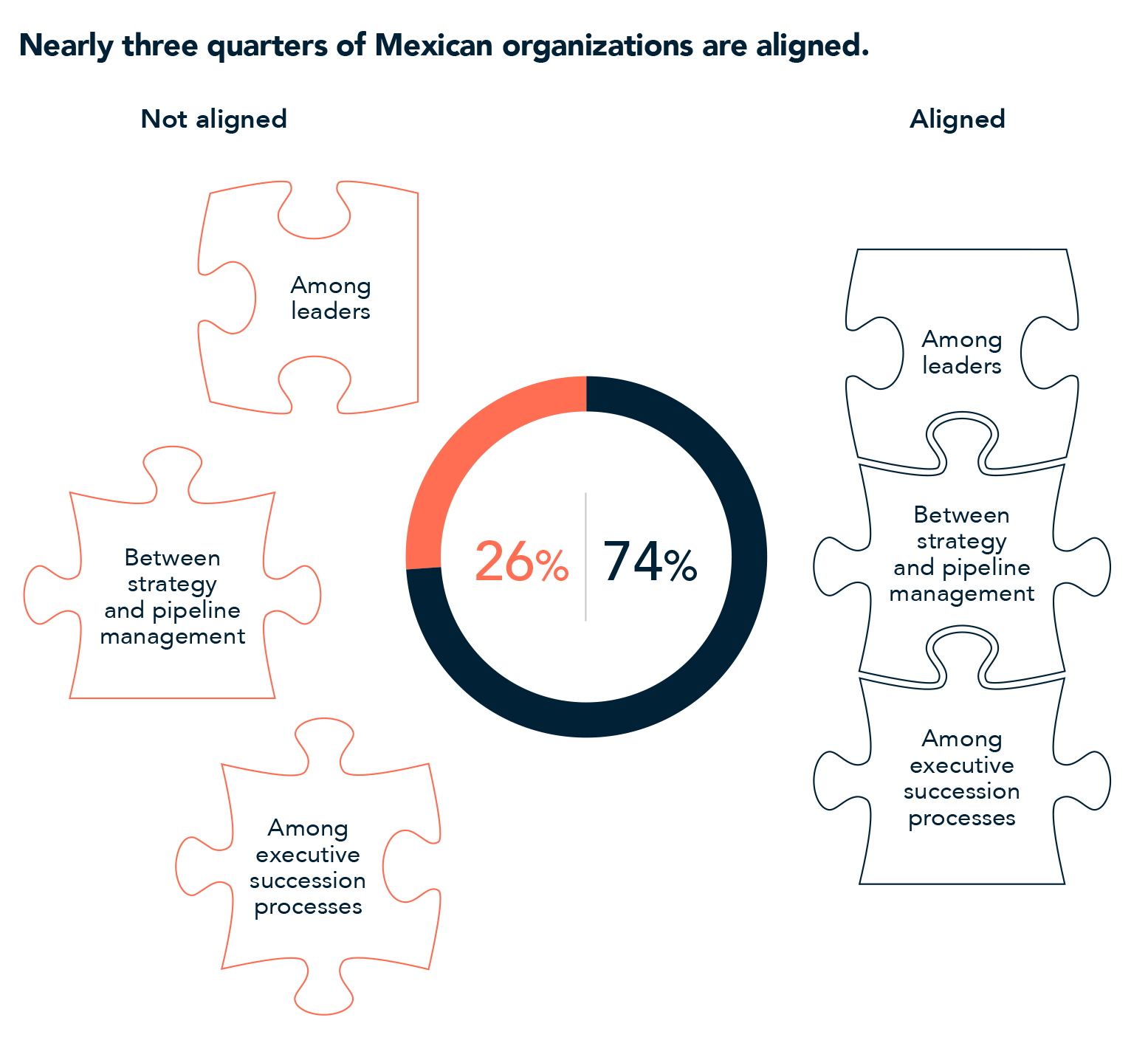
After assigning an aggregate alignment score based on survey responses, we found that 74% of Mexican companies are aligned across all three categories—notably more than most regional peers. And consistent with directors’ broader strengths, alignment is strongest across leadership relationships and systems, and weakest when it comes to connecting strategy with the leadership pipeline.
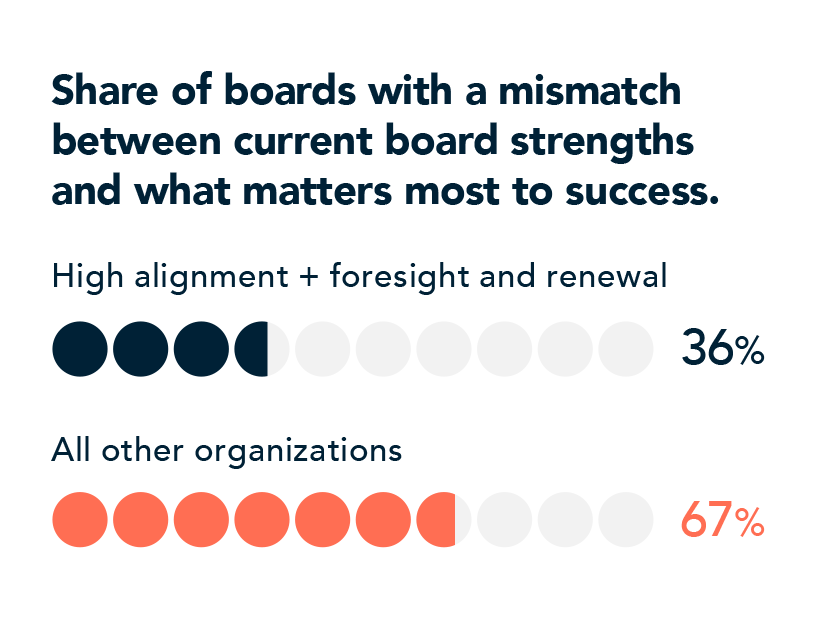
When companies are aligned and have strong foresight and renewal capabilities, directors report measurable benefits. Only 36% of these companies report a capability gap, compared to 67% of all other organizations. Moreover, directors at such organizations say they’re consistently better at leadership and governance activities, including effective decision making and rigorous assessment of leadership quality. In other words, alignment is most powerful when it is paired with a board that actively anticipates and adapts to changing organizational needs.
Aligned boards are also more likely to treat succession planning as a strategic priority, suggesting that the same capabilities helping them perform today can also position them for future success.
Closing the renewal gap
Significant room for improvement remains, even within this group of aligned and forward-looking companies. Only 36% of Mexican boards with alignment and strong foresight and renewal treat board succession as a true priority, compared to 25% of all other organizations. And just 18% of that same group have comprehensive board succession plans, versus 4% in other organizations. So, while Mexico’s most-aligned and forward-looking boards are ahead of peers, they have not yet developed the succession discipline called for by today’s anticipated levels of change.
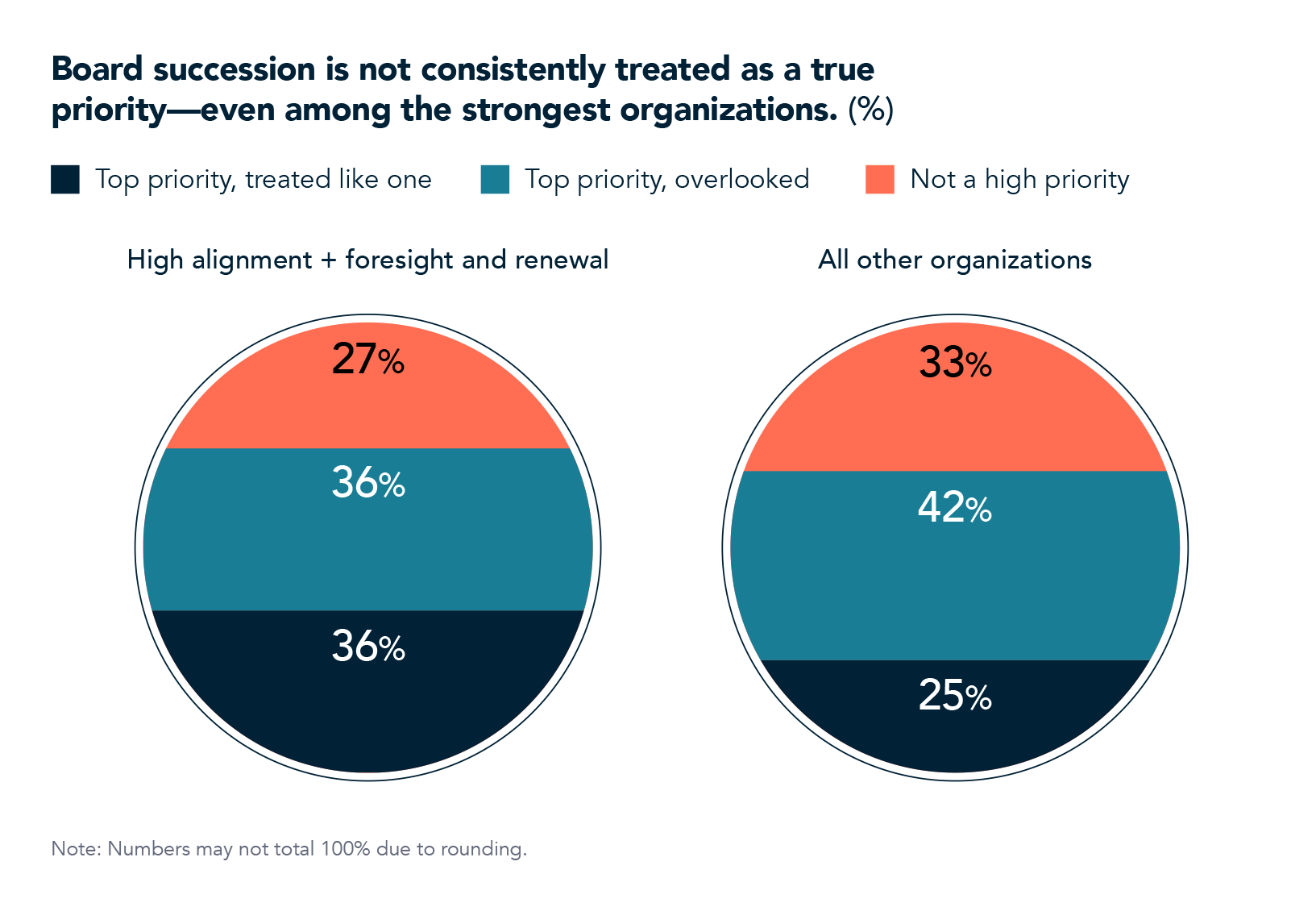
The good news is that, unlike many external forces affecting organizations, board composition, succession, and renewal are areas that boards can directly control.
Boards can first prioritize strengthening their foresight and renewal capabilities, given both the size of the current capability gap and the fact that these capabilities sit within the board’s remit of control.
Even at Mexico’s most aligned companies, there are opportunities to strengthen alignment further, particularly when it comes to connecting strategy and talent decisions. Doing so, in turn, can help boards speed up their own renewal and reduce capability gaps. Organizations with comprehensive succession plans that align planning with strategy, update capability matrices regularly, and actively make changes based on poor performance are more likely to also have strong foresight and renewal capabilities.
It is also worth noting that appointing first-time directors, or those without prior CEO experience, is not inherently a problem, as long as that choice is intentional. A director may be brought on precisely because of demonstrated expertise in a specific area of need, such as AI. Every appointment must have a clear purpose that advances strategy and addresses the organization’s needs, rather than simply preserving a familiar director profile on the board.
Renewal is ultimately in the board’s hands. That doesn’t mean boards should pursue constant turnover—continuity still matters—but it does require being deliberate about the capabilities an organization will need over the long term. Developing multiple potential successors can give boards more options as future strategic needs become clearer.
For Mexican boards, the opportunity now is to build on strong foundations and alignment advantages to deepen foresight and succession discipline as the pace of change continues to accelerate.
1 Board Monitor Mexico 2025 | The quiet power of continuous board refreshment: A shift toward strategy,” Heidrick & Struggles, November 3, 2025, heidrick.com.
2 For example, Jeremy Hanson, “CEO and board confidence monitor: Beating the succession planning paradox,” Heidrick & Struggles, October 30, 2024, heidrick.com; and “Route to the Top 2025 | The ascent redefined: Charing more effective routes to the summit,” Heidrick & Struggles, June 23, 2025, heidrick.com.
Stay connected
Stay connected to our expert insights, thought leadership, and event information.
Leadership Podcast
Explore the latest episodes of The Heidrick & Struggles Leadership Podcast.